Home / Articles
Boost Your Immune System While Improving Your Skin—Here’s How
Home / Articles
Boost Your Immune System While Improving Your Skin—Here’s How
Your skin is more than just what you see in the mirror — it's your body's largest organ and its first line of defense. Every day, it faces pollution, UV rays, bacteria, and internal stressors that can dull its glow and weaken its integrity. But here's the good news: when you strengthen your immune system, your skin benefits too.
At Gumdan Ewha Hospital, we often explain to patients that true skin health starts from within. It's not just about what you apply to your face — it's about how your body, hormones, stress levels, and immunity are functioning as a whole. If you're feeling tired, inflamed, or run down, your skin will show it. Conversely, when your immune system is resilient and your inflammation is balanced, your skin looks healthier, heals faster, and ages more slowly.
In this guide, we’ll explore how your immune system and skin are intimately connected — and how you can naturally and medically support both. Whether you're in your 20s preventing future signs of aging or in your 50s managing chronic inflammation or pigmentation, this is the roadmap to glow from the inside out.
Many people are surprised to learn that the skin is a key part of the immune system. It doesn't just protect you from external threats — it's actively involved in immune signaling and inflammation control.
When your skin barrier is compromised (e.g., through dryness, injury, or harsh products), it triggers immune responses.
Chronic inflammation from internal imbalances (like stress, poor diet, or lack of sleep) can weaken both the skin and systemic immunity.
In essence, your skin acts like a border patrol. If your internal "command center" (your immune system) is well-coordinated, the patrol works efficiently. But if the system is overwhelmed, the skin becomes reactive, inflamed, and slower to heal.
This is why at Gumdan Ewha Hospital, we often look beyond the surface when treating skin conditions. We assess your overall inflammation, diet, stress levels, and even hormonal balance. A breakout or flare-up isn’t just a cosmetic issue; it’s often a clue that something deeper needs care.
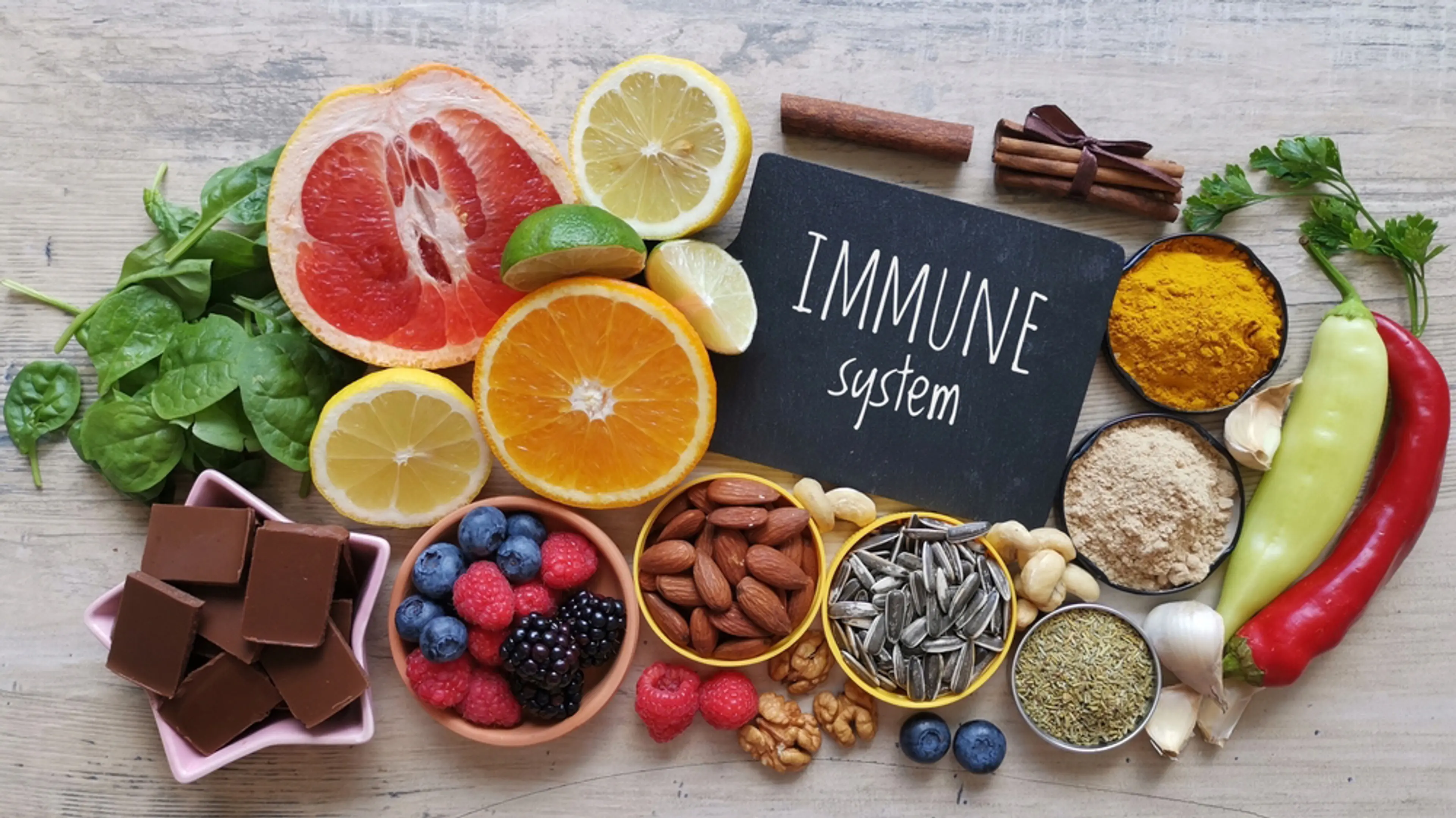
What you eat literally becomes the building blocks of your skin and immune cells. Your nutrition directly influences how quickly your skin repairs, how well your immune system responds, and how gracefully you age.
Your body needs antioxidants to neutralize free radicals, which damage both skin cells and immune cells. Eat a colorful diet:
Amino acids support immune cell production and help the skin repair itself. Low protein often shows up as dull, sagging skin and slow wound healing.
Include lean meats, eggs, tofu, legumes, and bone broth
Collagen peptides may support skin elasticity and joint health
Omega-3s reduce inflammation and help maintain the skin’s lipid barrier.
Eat salmon, walnuts, flaxseeds, and avocados regularly
A healthy gut microbiome shapes immune tolerance and lowers inflammation. The gut-skin connection is one of the most overlooked areas in skincare.
Probiotics: kimchi, yogurt, kefir
Prebiotics: garlic, onion, bananas
At our hospital, we often see skin conditions like eczema and acne improve significantly when patients clean up their diets and focus on gut health first.
Dehydration impairs cellular repair and skin elasticity. Aim for 6–8 glasses of water daily, and consider herbal teas like green tea for an antioxidant bonus.
During sleep, your body produces immune proteins and repairs tissues. Poor sleep = higher cortisol = inflamed skin.
Create a regular sleep routine
Avoid screens an hour before bed
Patients who go from 4–5 hours of sleep to a consistent 7+ hours often see their skin improve dramatically within weeks.
Chronic stress disrupts immune regulation and breaks down skin collagen.
Mindfulness, journaling, and short walks can calm the system
Even 10 minutes a day can make a difference
Exercise enhances circulation and immune surveillance. It also helps skin glow by improving oxygenation.
Moderate aerobic activity 3–5 times/week is ideal
Resistance training helps stabilize blood sugar, which reduces skin inflammation
Many of our patients at Gumdan Ewha are surprised by how much consistent walking or yoga improves their skin tone and resilience.
Use low-pH cleansers that preserve the skin’s microbiome
Avoid over-cleansing or using harsh scrubs
Look for ceramides, hyaluronic acid, and squalane
Lock in moisture to strengthen your barrier
UV damage weakens skin immunity
Use SPF 30+ daily, even on cloudy days
Niacinamide reduces inflammation and fortifies skin defenses
Vitamin C helps with pigmentation and collagen
Retinoids (under guidance) support cellular turnover
Regular facials or skin barrier treatments can also help reset stressed or sensitive skin. At our clinic, we personalize treatments based on each patient's skin microbiome and lifestyle.
At Gumdan Ewha Hospital, we believe in integrative treatments that heal from the inside out. For patients looking to boost skin health and immunity, we offer:
We approach these treatments as part of a total health plan, not standalone fixes. Our team evaluates nutritional status, blood markers, lifestyle, and skin condition to craft tailored protocols that support both internal health and visible radiance.
Avoiding these habits doesn’t just help you live longer — it helps your skin look and feel healthier every day.
One of our patients, a working mother in her 40s, came in for melasma. But through blood testing, we found her vitamin D and iron levels were low, and she was sleeping just 4 hours per night. With adjustments in nutrition, targeted supplements, and stress support — plus a laser plan — her skin cleared and her energy returned.
Another patient, a young professional with recurring adult acne, didn’t respond well to topical treatments. After gut testing and tailored probiotics, combined with low-level light therapy, his breakouts dramatically reduced within three months.
This isn’t unusual. We often say: "The skin is the mirror of your internal state."
Boosting your immune system and improving your skin are not separate goals. They’re deeply intertwined. When you prioritize rest, whole foods, hydration, stress management, and barrier support, you’re investing in resilience that shows up both inside and out.
If you’re seeking a long-term solution to dull, reactive, or aging skin, don’t just look at creams. Look at your lifestyle. Look at your health.
Our approach is not about extremes or trends. It’s about medically informed, patient-centered care that restores harmony between how you feel and how you look.