Home / Articles
Spectra Peel for Oily Skin & Pigmentation—Does It Really Work?
Home / Articles
Spectra Peel for Oily Skin & Pigmentation—Does It Really Work?
In a country where clear, balanced skin is often seen as a sign of health and beauty, it’s no surprise that Korea continues to lead the way in dermatological innovation. At Gumdan Ewha Hospital in Incheon, we meet countless patients struggling with two common skin concerns: excessive oil production and uneven pigmentation. Many of them ask the same question: “Is there a non-invasive, low-downtime treatment that actually works?”
The Spectra Peel has been gaining popularity in dermatology clinics across Korea and abroad. It’s marketed as a safe, quick, and effective solution for refining pores, balancing sebum, and fading pigmentation. But what does the treatment actually do? And is it truly effective—or just another trendy laser? In this article, we unpack the science, examine the clinical outcomes, and explain how we at Gumdan Ewha Hospital use the Spectra Peel as part of a tailored skin recovery strategy.
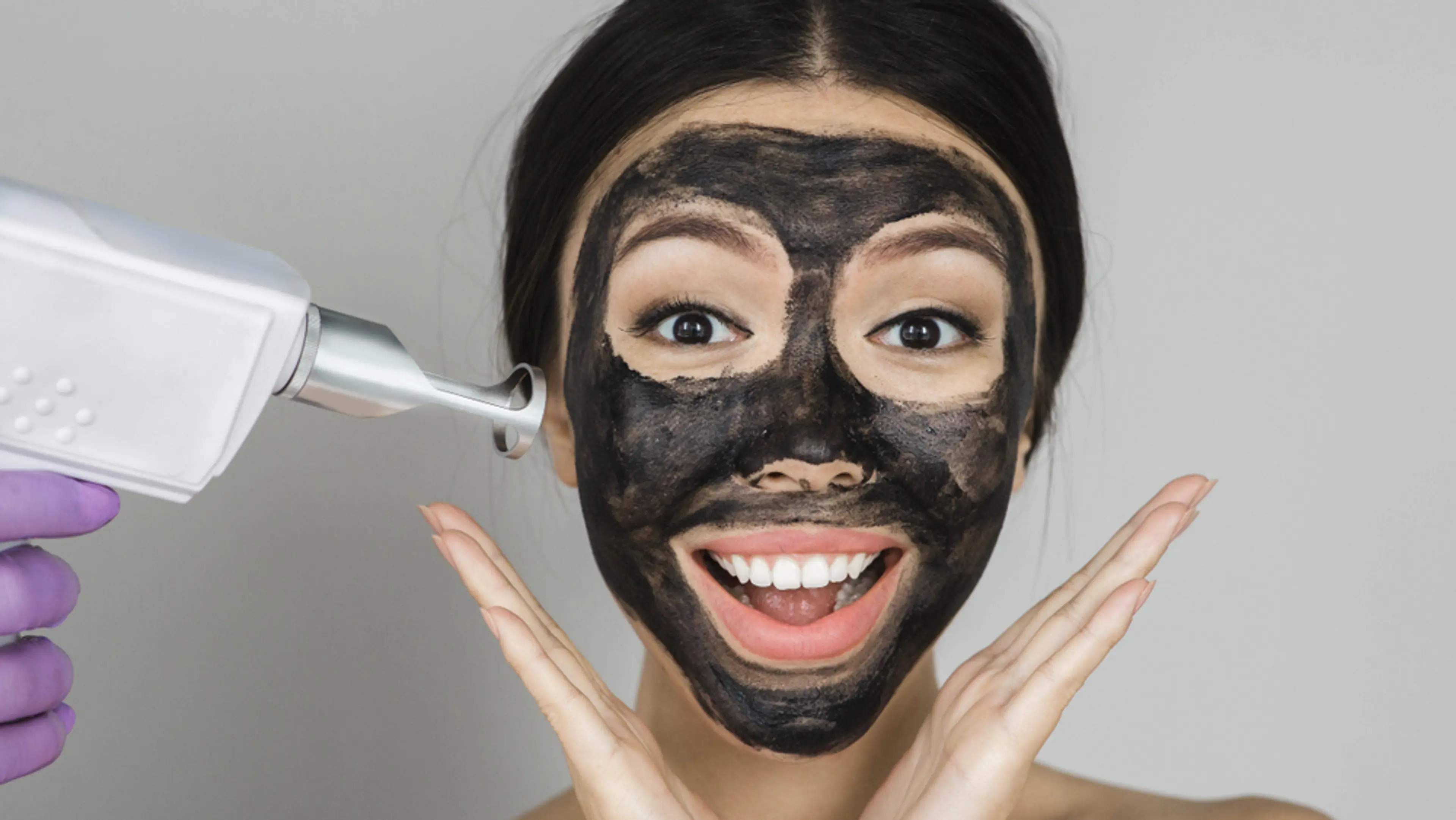
To put it simply: Spectra Peel (also known as the Carbon Laser Peel or Hollywood Peel) is a non-invasive, skin-refreshing laser treatment that has gained fame for its ability to deeply cleanse pores, brighten dull skin, and subtly reduce oiliness and pigmentation—all with little to no downtime.
The treatment combines a topical carbon lotion with the precision of a Q-switched Nd:YAG laser. Here’s how it works:
What’s unique about Spectra Peel is its dual benefit—on the surface, it acts like a dynamic facial exfoliation. But below the surface, it works more like a regenerative laser therapy, encouraging skin remodeling over time. For this reason, it’s popular among people who want real results but can’t afford significant downtime.
Unlike traditional peels, there’s no peeling or crusting involved. You won’t need to take days off work or avoid social engagements. In fact, many of our patients at Gumdan Ewha Hospital schedule their sessions during lunch breaks. It’s gentle enough to suit even sensitive or acne-prone skin but powerful enough to show cumulative improvements across multiple sessions.
As a bonus, patients often describe a sensation of freshness and lightness immediately after the procedure. Your skin feels cleaner, looks brighter, and absorbs skincare products more effectively. It's not just cosmetic—it supports better long-term skin health, especially when integrated into a comprehensive care plan.
Oily skin isn’t just about shine. Many patients we see in our dermatology department struggle with enlarged pores, frequent breakouts, and a general "clogged" feeling. Spectra Peel tackles this in a few key ways:
In our clinic’s experience, patients with oily skin often notice that their makeup lasts longer, their T-zone becomes less shiny, and their pores look visibly reduced after a series of sessions.
And while this laser alone may not eliminate hormonal acne or cystic flare-ups, it sets a cleaner, calmer foundation for your skin to respond better to medical acne care.
Now let’s talk about pigmentation—a major skin concern for many Koreans, especially those prone to melasma, sunspots, or post-inflammatory hyperpigmentation (PIH) from past acne.
At Gumdan Ewha Hospital, we are especially careful when treating pigmentation in Asian skin types, which are more prone to rebound hyperpigmentation if handled too aggressively. That’s why we prefer Spectra Peel as a first-step laser: it’s gentler, yet effective.
This becomes even more crucial for patients who have tried stronger treatments in the past and were left with worse pigmentation or uneven tone. Spectra Peel helps us restore skin confidence gently and gradually.
Although there are limited large-scale studies specifically on the Spectra Peel brand, Q-switched Nd:YAG lasers have a long-standing reputation in dermatology. Research shows that these lasers can:
Reduce inflammatory and non-inflammatory acne lesions
Improve skin texture and tone
Lighten pigment disorders like lentigines and post-acne marks
Some studies also support its ability to reduce pore size and manage oil production, especially when performed as a series (typically 6-10 sessions).
That said, it’s important to remember: this is a cumulative treatment. You won’t see dramatic changes after just one session—but gradual, progressive improvement is the goal.
And that's exactly what we aim for at Gumdan Ewha: steady, safe, satisfying progress that protects your skin barrier and minimizes rebound effects.
No treatment is perfect, and honesty is part of ethical care. Here are some limitations to keep in mind:
We always advise a comprehensive consultation to map out realistic outcomes. Spectra Peel isn’t a shortcut—it’s a safe, consistent journey.
Our approach is never one-size-fits-all. When a patient visits us in Geomdan for oily skin or pigmentation, we begin with a full consultation:
We assess oil levels, skin type, pore size, and acne history.
We determine the type and depth of pigmentation: is it PIH, melasma, sun damage?
We discuss your lifestyle: Do you want low downtime? Are you open to combining home care?
Typically 6-10 sessions, spaced 2-3 weeks apart
Paired with topical antioxidants, brightening agents, or retinoids (as needed)
Emphasis on daily sunscreen and pigment-prevention strategies
Many of our patients in Incheon, especially young professionals or busy parents, prefer this "lunchtime laser" for its ease and safety.
Low-level LED therapy for enhanced healing
Mild chemical peels between sessions
Prescription skincare to accelerate pigment resolution
The goal? Long-term skin harmony, not just short-term shine control.
Spectra Peel is not just another trendy laser—it’s a medically sound, patient-friendly treatment that has earned its place in modern aesthetic dermatology. Whether you’re dealing with persistent oiliness, acne scars, or stubborn pigmentation, it offers a gentle yet effective path forward. At Gumdan Ewha Hospital, we’ve seen how it transforms not only the skin’s surface but also our patients’ self-esteem and comfort in their daily lives.
If you're tired of large pores, uneven tone, or persistent shine, the Spectra Peel could be the refresh your skin needs. Visit us for a detailed consultation and see how laser science can meet holistic care in one of Incheon’s most trusted aesthetic hospitals.